
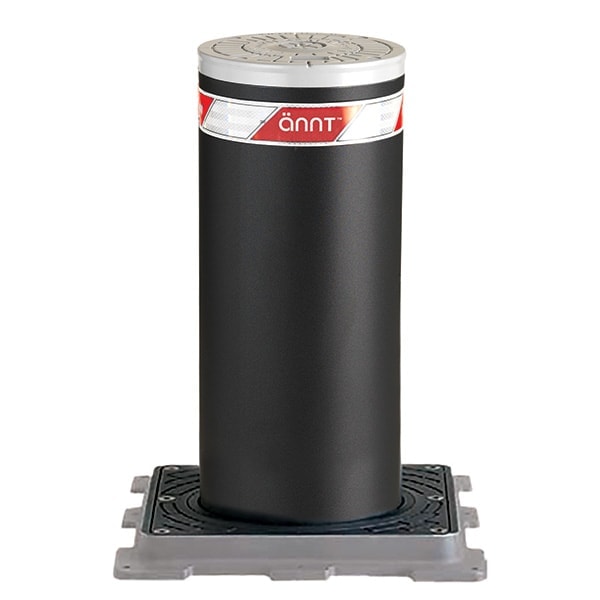
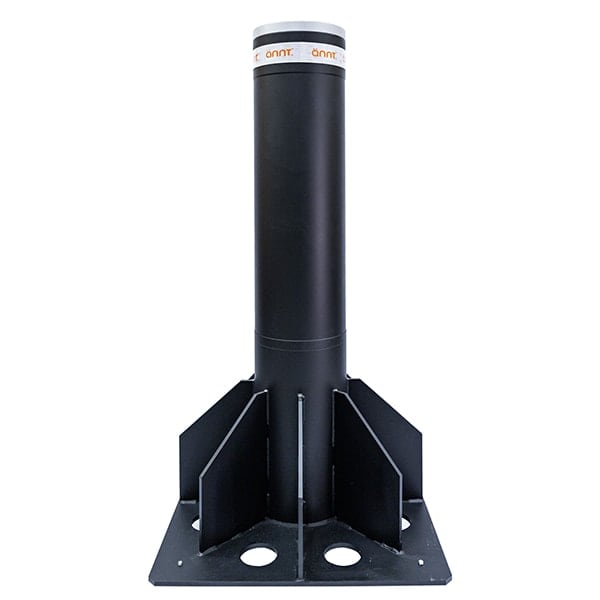
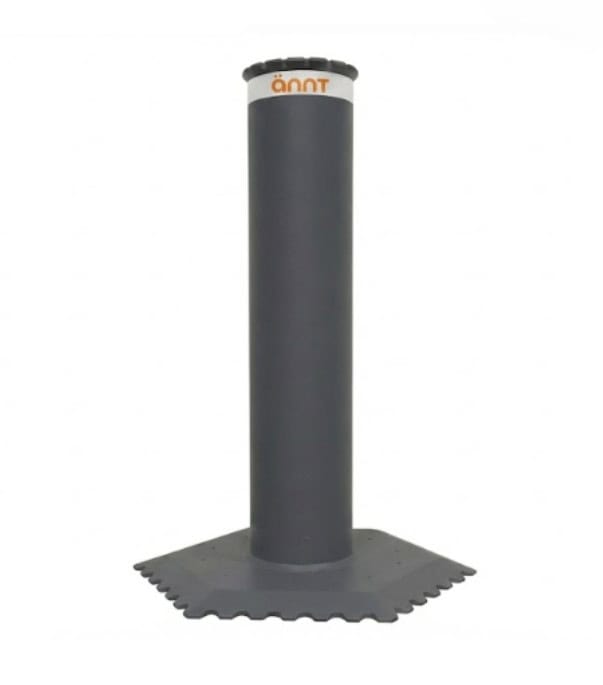
Makes an impact.
Takes an impact.
Crash-certified bollards designed as architectural elements
Architectural spaces face new responsibilities at the perimeter. Public safety, municipal accountability, and hostile-vehicle-mitigation requirements make protection a priority.
But for architects, that priority can’t come at the expense of design.
It’s why ännT designs crash-certified bollards as architectural elements, so protection integrates seamlessly, without interrupting the intent behind them.


An architectural object, engineered to perform
When you look at ännT bollards, what you see is deliberate: clean profiles, architectural-grade finishes, and carefully considered proportions. All elements are designed to sit comfortably within contemporary architecture.
What you don’t see is equally important:
- Certified crash performance
- Rated and designed for year-round continental and subarctic climates
- Compliance with ASTM F2656 and F3016 standards
- Architect support and consultation
The balance between design clarity and engineering discipline is what makes ännT different.
Protection belongs in early design
Crash-certified protection is increasingly expected at the planning and approval stages, where risk, performance, and certification must be addressed as part of the architectural solution.
When protection enters too late, design absorbs the impact:
- Sightlines are compromised
- Accessibility is disrupted
- Temporary or tactical solutions become permanent
- Design intent is diluted
Early integration ensures protection is part of the composition, preserving spatial clarity, maintaining intent and defending the architecture itself.


What matters most at the design stage:
- Selecting the right level of protection for the context
- Ensuring certification aligns with municipal review and approvals
- Integrating protection without disrupting flow, access, or visual clarity
ännT provides guidance before constraints turn into compromises.
Hostile Vehicle Mitigation (HVM), Explained
Architects shouldn’t need a security background to make informed decisions about perimeter protection. In plain terms:
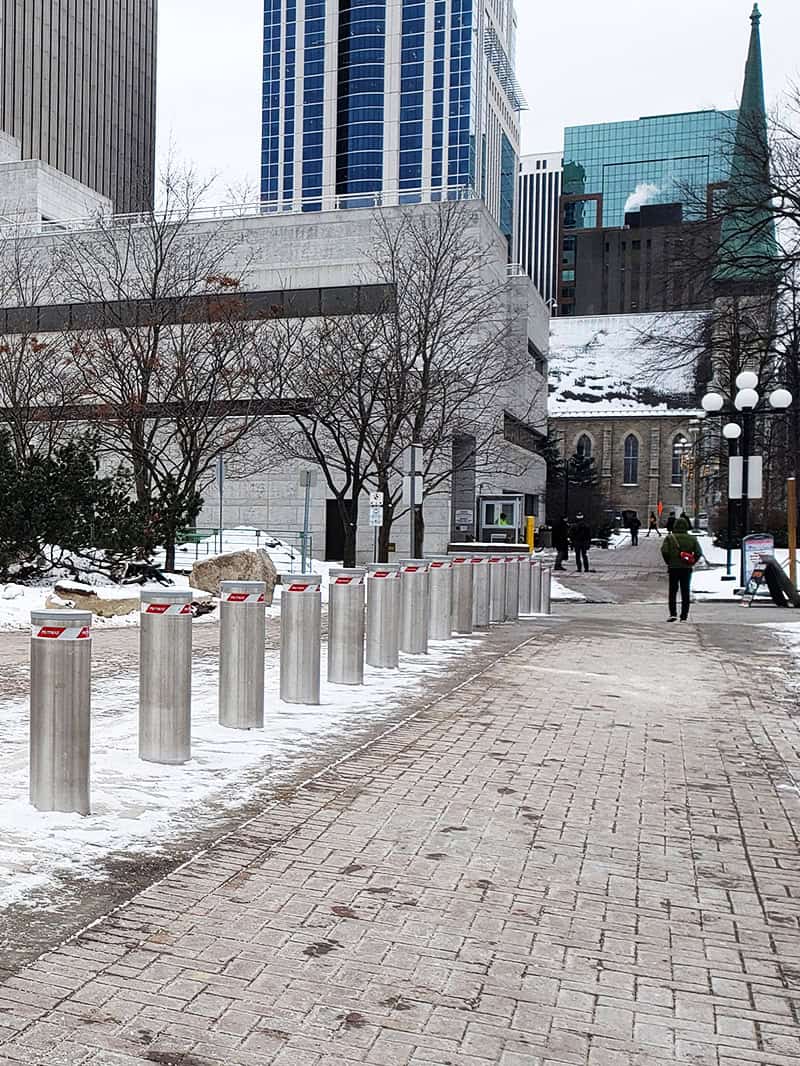
HVM is the practice of preventing unauthorized vehicles from entering pedestrian or sensitive areas.
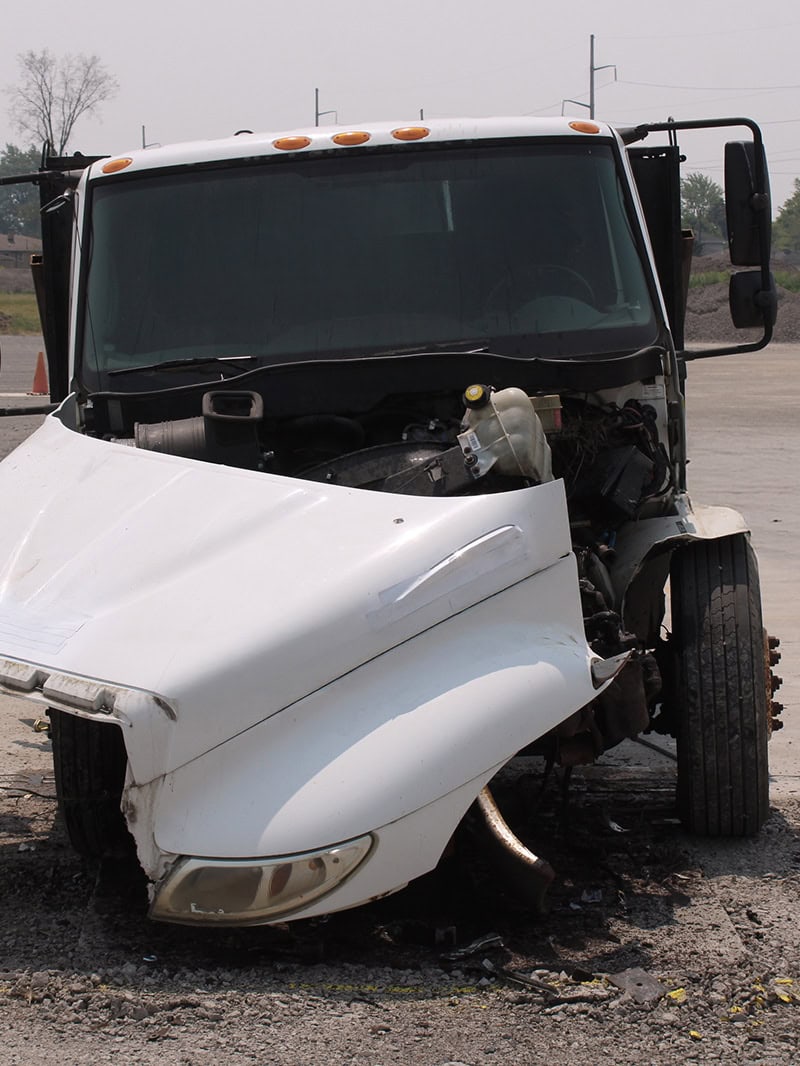
Crash ratings verify that a bollard has been physically tested to stop vehicles at specific speeds and weights.
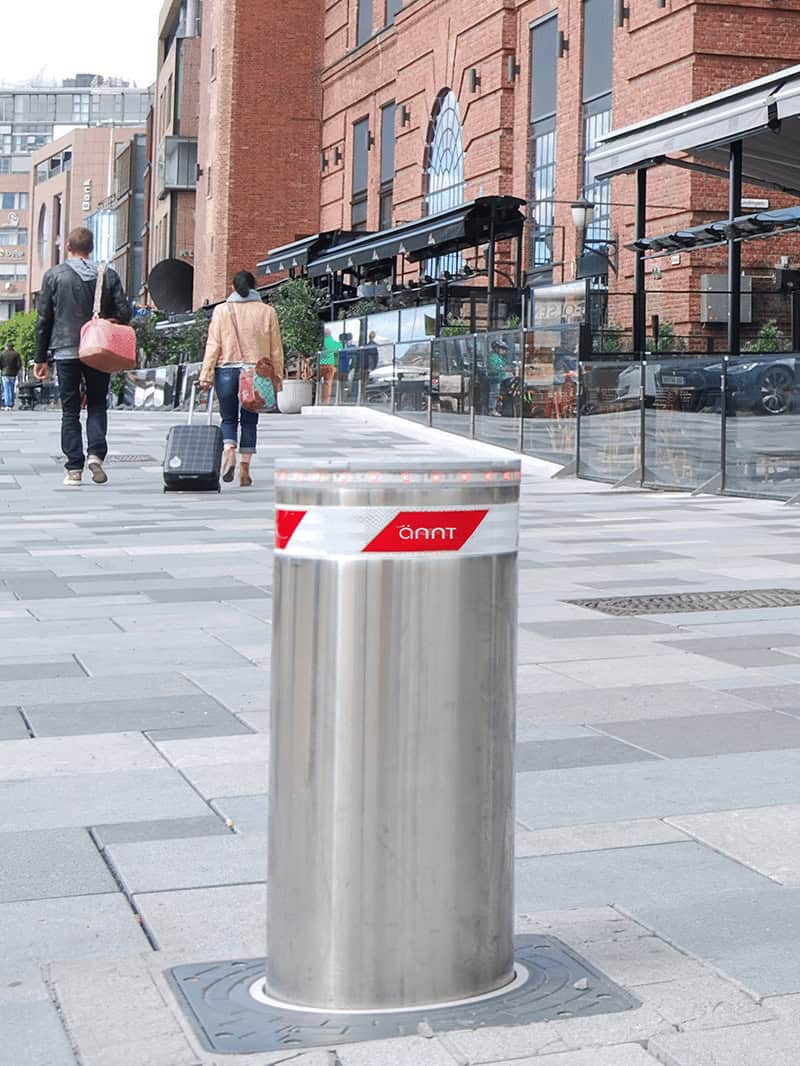
Municipal guidelines increasingly require certified performance, not decorative or untested solutions.
Resources for the architect workflow
We know that specifying protection means more than liking how it looks.
Architects need clarity, speed and confidence throughout the design and documentation process.

Bollard Calculator
Determine appropriate protection levels based on site context and risk considerations.

Architect Lookbook
Finish options, forms, and real-world applications, presented as design references.

BIM & CAD Files
Spec-ready models to integrate directly into your drawings and coordination sets.

Spec Enablement Toolkit
Certification documentation and guidance to help protect design intent through tender and procurement.
Ready to protect your designs?
ännT works with architects from concept through completion, including:
- Early design consultation
- Guidance on certification and compliance
- Support for documentation and coordination
- Canadian manufacturing that enables customization and realistic timelines
Contact us for a free risk assessment
Submit your information and we’ll reach out at our earliest convenience.