
HVM, Crash-Rated, Anti-Ram:
What the Language Means
The bollard and perimeter security industry uses a lot of overlapping terminology — and not all of it means the same thing. Some of it is precise. Some of it is marketing. Knowing the difference matters when you’re specifying protection that has to work.
HVM is not a product — it’s a security discipline. It describes the full integrated approach to preventing vehicle-borne attacks: threat assessment, traffic management, physical barriers, access control, and operational response planning. When someone says “HVM bollard,” they mean a bollard specified as part of an HVM strategy. When someone says “HVM program,” they mean the broader set of measures a site has adopted. Physical bollards are one output of HVM planning, not the whole picture.
A marketing and product naming convention rather than a formal standard. “Anti-terrorism bollard” describes a bollard intended for high-security perimeter applications — government, embassy, critical infrastructure. It doesn’t carry a defined technical meaning on its own. What matters is the certification behind it: ASTM F2656, PAS 68, IWA 14-1, or ISO 22343. A bollard can be called “anti-terrorism” without being certified to any standard. Check the rating, not the label.
These terms mean the same thing and are the ones that matter. A crash-rated or crash-certified bollard has been independently tested to a published standard — ASTM F2656, PAS 68, IWA 14-1, or ISO 22343 — by an accredited third-party testing laboratory. The result is a specific, documented rating (e.g., M50/K12/P1) that tells you exactly what vehicle weight, what speed, and what penetration depth the bollard was tested against and passed. This is the only claim that holds up in a procurement specification or liability context.
Watch for this phrase: “engineered to M50 performance” or “designed to meet K12 standards.” These are not crash ratings. They describe intent, not outcome. A product can be designed with M50 in mind and still fail an independent crash test. If a product page or data sheet does not name the testing laboratory and the specific standard it was tested to, the rating is not certified.
Crash-Tested vs. Crash-Rated — Not the Same Thing
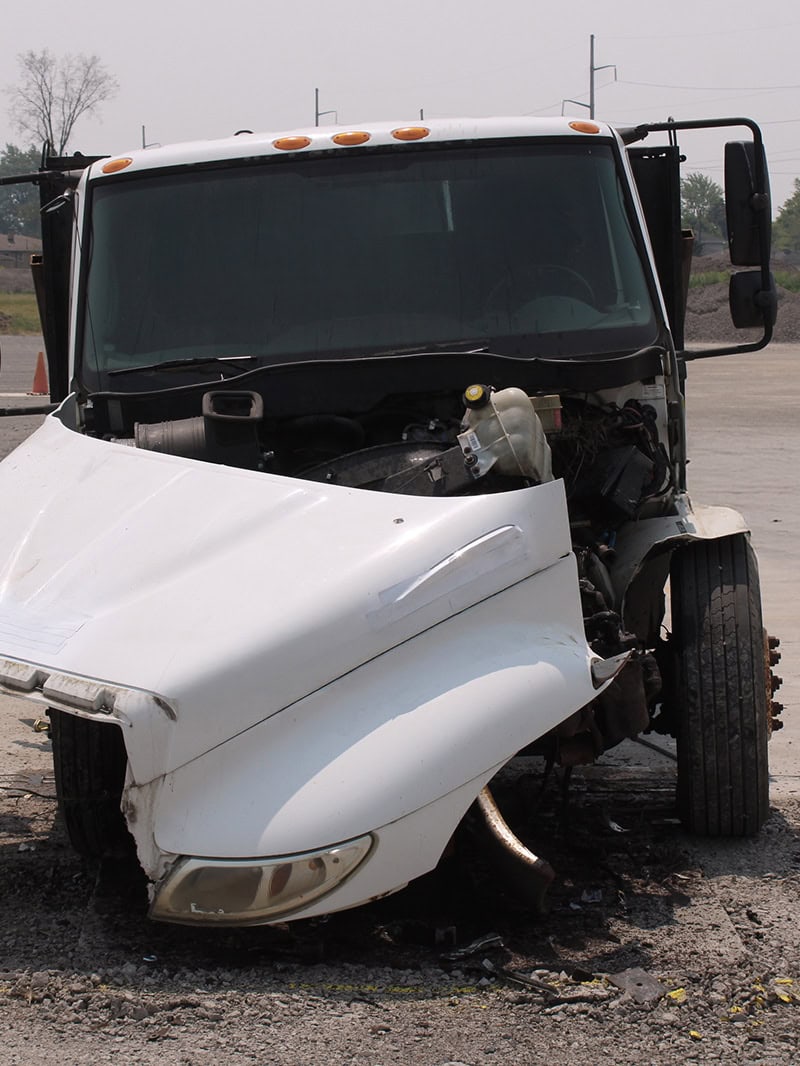
“Crash-tested” is the most misunderstood term in the category. It is often used to imply certification, but it only means a vehicle was driven into a bollard at some point. Without specifying which standard the test followed, who conducted it, and what the result was, “crash-tested” is not a certification claim. A bollard could be crash-tested by the manufacturer in a private facility, fail to meet M30 standards, and still be marketed as “crash-tested.”
The distinction that matters: crash-rated = tested to a published standard by an independent lab, with a documented pass result. Anything less is incomplete information.
Engineered to [Rating] — A Red Flag
“Engineered to K12” or “designed to ASTM M50” means the bollard was built with those specifications as a target. It does not mean the product was tested against them. Engineering calculations can predict performance, but they cannot substitute for a physical crash test. For government procurement, insurance underwriting, and any application where liability matters, engineering claims alone are not sufficient. Ask for the test report, not the engineering analysis.
Vehicle Security Barrier (VSB)
The formal technical term used in NPSA (UK), ISO 22343, and IWA 14-1 documentation. A VSB is any physical barrier installed to stop or redirect a vehicle. Bollards, blockers, road barriers, planters, and gates can all be VSBs if certified. “HVM bollard,” “anti-ram bollard,” and “anti-terrorism bollard” are all informal subsets of VSB. When reading government specifications or procurement documents, VSB is the term most likely to appear.
Anti-Ram
Informal shorthand for a bollard or barrier intended to stop a vehicle from ramming through a perimeter. Widely used in commercial applications — retail loss prevention, ATM protection, storefront security. “Anti-ram” does not imply a crash rating. An inexpensive steel pipe set in concrete could be called anti-ram. The distinction is whether the product is certified to a specific impact energy and penetration depth, or simply present as a physical obstacle. Both exist in the market. Only one belongs in a formal HVM specification.
Quick Reference: What Each Term Actually Guarantees
| Term | Independent Testing? | Published Standard? | Specific Rating? | Use in Spec? |
|---|---|---|---|---|
| Crash-Rated / Crash-Certified | Yes | Yes | Yes | Yes — required |
| Crash-Tested | Maybe | Maybe | Maybe | Verify first |
| Engineered to [Rating] | No | Referenced only | No | Not sufficient |
| Anti-Terrorism Bollard | Not implied | No | No | Verify certification |
| Anti-Ram Bollard | Not implied | No | No | Verify certification |
| Vehicle Security Barrier (VSB) | Not implied | Formal term | Depends on product | Yes — with rating |
| HVM Bollard | Not implied | No | No | Verify certification |
The Bottom Line for Specifiers
When evaluating any crash-rated product, three things need to be documented: the testing standard (ASTM F2656, PAS 68, IWA 14-1, or ISO 22343), the specific rating (e.g., M50/K12/P1), and the independent testing laboratory that conducted the test. If any of those three are absent, the certification claim is incomplete.
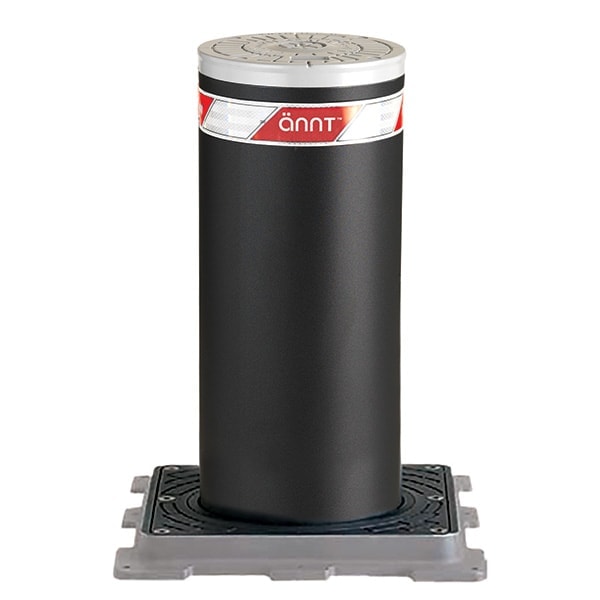
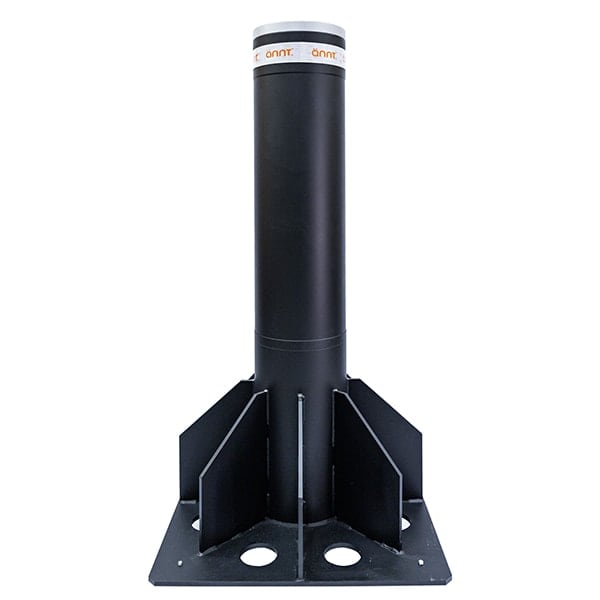
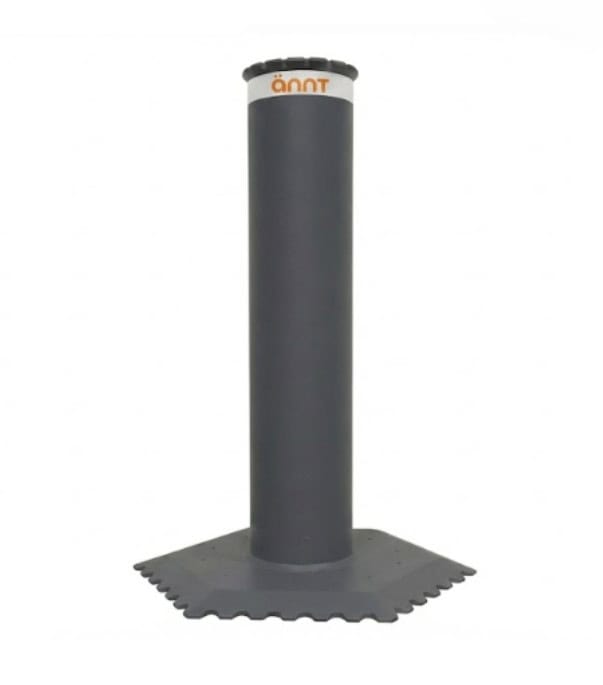
ANNT bollards are independently crash-certified to ASTM F2656, PAS 68, and IWA 14-1 — with ratings from C40 through M50/K12. ANNT products were tested and certified prior to March 2024, meaning existing PAS 68 and IWA 14-1 certifications remain fully valid under the ISO 22343 transition rules. Test documentation is available on request for every crash-rated product in the catalogue.
See the Full Crash-Rated Product Line
Ratings from C40 to M50/K12. Spec table, CAD drawings, and test documentation available on request.
Need Certified HVM Bollards for a Canadian Site?
Specification data sheets, CAD drawings, and test documentation available on request.
View HVM Product Line Contact a Specialist